


Cleveland Cavaliers beat reporter Chris Fedor saw frustration inside the organization during its uneven start. Asked Tuesday whether the players had stopped listening to Kenny Atkinson, Fedor said he thought they were still behind their coach.
“I don’t think that the guys ever turned on Kenny. I don’t think the guys ever tuned out Kenny,” Fedor said.
"This is Finals or bust. When you have that kind of pressure, when you have those expectations and you're underachieving, of course guys are going to be frustrated. I never felt like it was to a level of it being unproductive or it being something that we had to be concerned… pic.twitter.com/clbnAufukV
— 92.3 The Fan (@923TheFan) November 17, 2026
Fedor pointed to the Nov. 11 game against the New York Knicks to explain how differently he read the situation. In his view, Atkinson could have lost that night without being fired the next day.
The idea that a single loss might cost him his job depended on believing he had already lost the locker room. Fedor said he saw little reason to believe that.
Fedor had criticisms of both the coach and his players. He thought some of Atkinson’s decisions deserved scrutiny and that the players were falling short of their own standards.
He also pointed to what Cleveland had asked of this group. After reaching the Eastern Conference finals last season, the Cavs entered this one with only one round left to advance.
Why the Knicks game became a test for Kenny Atkinson
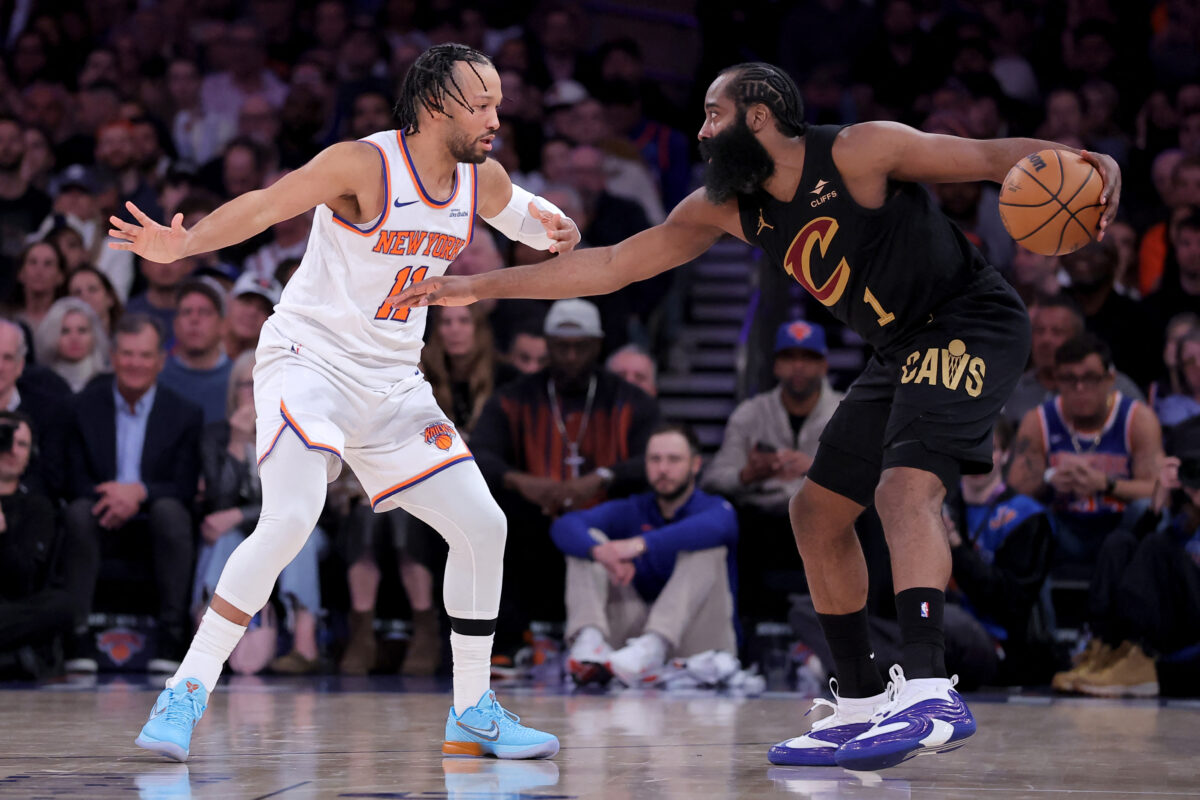
Two nights before visiting New York, the Cavs had fallen to 5-6 with a 124-112 loss in Charlotte. One of Atkinson’s most telling decisions came after the Hornets built a 33-point lead.
His reserves cut the deficit to eight with four minutes left, close enough to give him a reason to go back to Donovan Mitchell and James Harden. He left the reserves on the floor.
Atkinson questioned his team’s effort afterward, but he also described what he saw on Cleveland’s bench. Teammates were celebrating a group that had given them a chance to win.
Asked about the mood in the locker room that night, the coach singled out the players who had been waiting for minutes and made good use of them. The 115-107 win at Madison Square Garden gave Atkinson a different answer from his starting backcourt.
Harden and Mitchell had scored 11 points apiece in Charlotte. In New York, Harden got to 32 and Mitchell added 23. With the game tied at 101 and 4:21 left, it was Harden who hit the 3-pointer that put Cleveland back in front.
Mitchell’s explanation of how the guards shared the offense offered a better picture of that night than their combined scoring total. When New York sent a second defender at Mitchell, he was willing to give the ball up and let Harden play one on one.
Atkinson wanted Harden to read those opportunities, and Mitchell described helping his teammate get one when the defense allowed it. That win brought Cleveland back to .500. Fedor’s point Tuesday concerned what a loss would have meant.
He thought the pressure of chasing a Finals berth could explain why both Atkinson and his players were frustrated. Asked how serious it had become, Fedor said he still saw a team trying to work through its problems together.