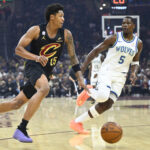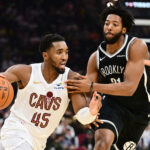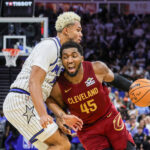
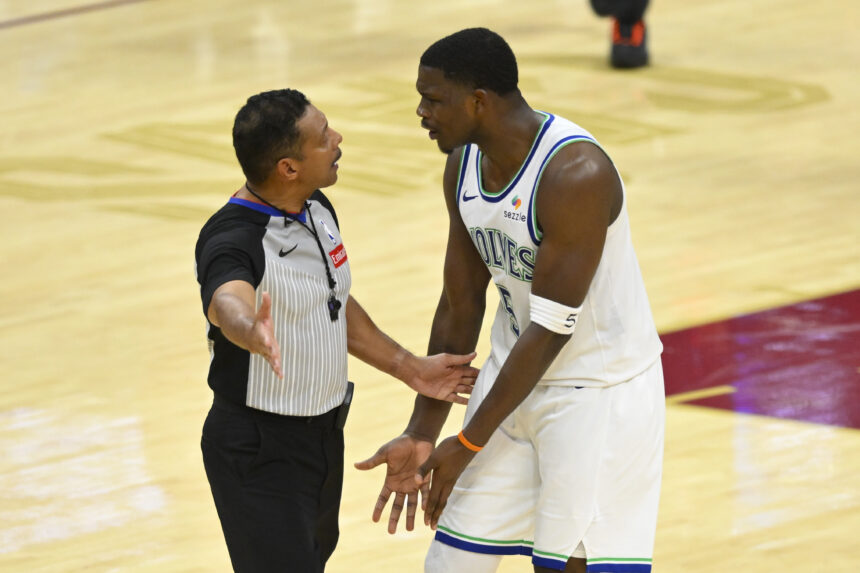
The NBA identified two officiating errors that benefited the Cleveland Cavaliers late in their 127-125 overtime win over the Minnesota Timberwolves on Monday.
One should have sent Anthony Edwards to the free-throw line near the end of regulation. The other was a foul called on LaMelo Ball during an overtime possession involving Donovan Mitchell that the league determined should have continued without a whistle.
The NBA’s Last Two Minute Report, released Tuesday, listed both errors in Cleveland’s favor. Its assessments add a different perspective to the finish without establishing how the game would have ended if either play had been officiated correctly.
The review also addressed another disputed moment involving Mitchell and Jonathan Kuminga, upholding the decision not to assess a flagrant foul.
NBA says James Harden fouled Anthony Edwards
The missed shooting foul was charged to James Harden in the league’s review, with the report identifying the contact at 6.2 seconds remaining in the fourth quarter.
“Harden (CLE) initiates contact with Edwards’ (MIN) arm, which affects his driving shot attempt,” the report stated.
That entry was classified as an incorrect non-call. In practical terms, the NBA determined that the officials should have stopped play and awarded Edwards a shooting foul rather than allowing the drive to continue without one.
The identity of the defender matters. The league’s finding concerns Harden’s contact with Edwards’ arm, not a finding that every subsequent defensive action on the possession was illegal.
In the NBA's last 2-minute report, it was concluded that James Harden should have been called for a foul on Anthony Edwards' drive late. Also, the steal from LaMelo Ball on Donovan Mitchell was deemed incidental contact. Not surprised at either determination.
— Jon Krawczynski (@JonKrawczynski) October 27, 2026
A foul call would have given Minnesota a scoring opportunity at the line before the game reached overtime. It would not, by itself, establish a Timberwolves victory: The free throws and whatever followed would still have needed to play out.
LaMelo Ball’s overtime foul should not have been called
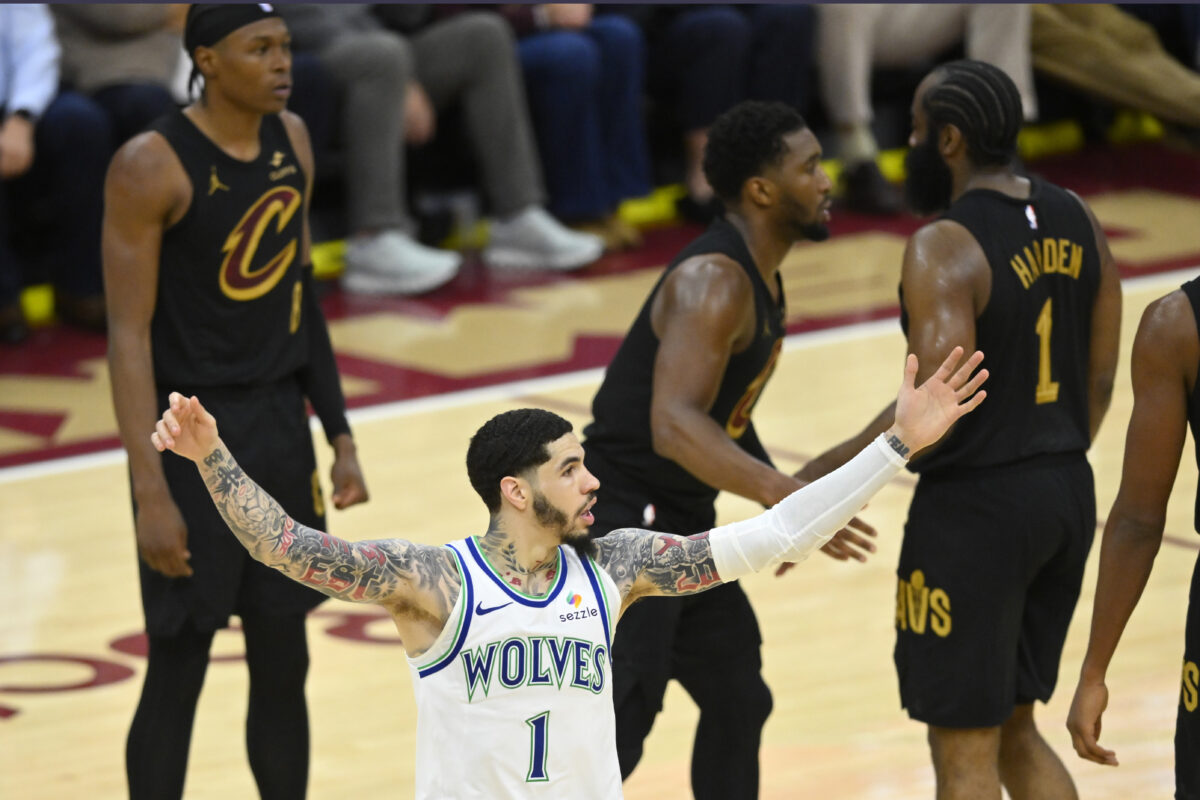
The second error came with 14.3 seconds remaining in overtime.
According to the NBA’s explanation, Mitchell lost control after his dribble struck Ball’s foot. The league judged the contact that followed to be incidental and marked the personal foul assessed to Ball as an incorrect call.
That is a different type of error from the Edwards play. In regulation, the missing whistle denied Minnesota a shooting-foul opportunity.
In overtime, an unnecessary whistle interrupted a possession after Cleveland’s ball-handler had lost control. The report does not award Minnesota a hypothetical basket or establish what would have happened next.
Its conclusion is that Ball should not have been penalized for that contact. Both errors went against Minnesota.
The next assessed foul in the report was a separate incident at 13.0 seconds remaining, when Kuminga contacted Harden. The NBA marked that call correct, explaining that Kuminga initially touched the ball without knocking it free before making contact with Harden’s arm.
Those two entries should not be combined. The earlier Ball whistle was incorrect; the later foul on Kuminga was upheld.
NBA upholds Mitchell’s non-flagrant foul on Kuminga
The league’s review did not find an error in every contested sequence.
With 25.9 seconds remaining in regulation, Mitchell was called for a shooting foul on Kuminga. The report upheld that call and noted that consultation with the Replay Center determined Mitchell’s contact did not qualify as flagrant.
That ruling separates the report’s actual findings from broader objections to the officiating. The two errors the NBA identified were the Harden non-call and the Ball foul, not the decision to keep Mitchell’s foul on Kuminga at the common-foul level.
The review also upheld the personal foul called on Jaden McDaniels at 0.6 seconds remaining in regulation. Its explanation placed the trip before Mitchell began his upward shooting motion, supporting a non-shooting call.
What the review covers
Under the NBA’s Last Two Minute Report criteria, qualifying close games receive an assessment of calls and material non-calls during the final two minutes of regulation and applicable overtime periods.
It is a review of that limited window, not a complete accounting of every possession or every officiating decision throughout the game.
Cleveland’s victory also included Meleek Thomas’ productive NBA debut and Kenny Atkinson’s explanation for turning to the rookie.
Tuesday’s report supplies a distinct follow-up: The league found that two late decisions should have been handled differently, and both benefited the Cavs.